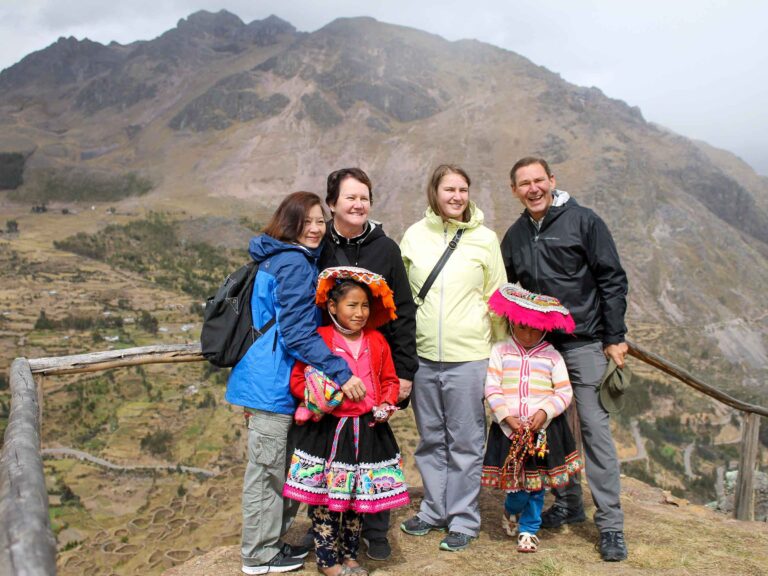

Nestled in the heart of Peru’s Sacred Valley, the town of Pisac is a destination that captures the imagination of travelers from around the world. Known for its vibrant market, rich history, and stunning archaeological sites, Pisac offers a unique blend of cultural and historical experiences. Whether you’re a history enthusiast, a culture seeker, or just looking for a scenic getaway, Pisac has something to offer everyone. This travel guide will introduce you to the wonders of Pisac, from the bustling market to the ancient terraces.
Pisac is one of the most charming towns in the Sacred Valley of the Incas, located about 30 kilometers from Cusco. The Sacred Valley itself is a region known for its stunning landscapes, traditional villages, and remarkable Inca sites. Pisac is often the first stop for travelers exploring the valley due to its proximity to Cusco and its rich historical significance.

Pisac Inca Site Sacred Valley Travel Guide and Market
The Sacred Valley, with its lush green landscapes and dramatic mountain backdrops, is not just a visual treat but also a fertile agricultural hub. This valley was crucial to the Incas as it provided the resources needed to support their vast empire. The Urubamba River runs through the valley, playing a key role in irrigation and agriculture, which were vital to the region’s prosperity.
The Sacred Valley is a melting pot of cultures, with influences from both the Inca civilization and the Spanish colonial era. Traditional festivals, music, and dances are part of the everyday life of the locals, making it a vibrant and culturally rich destination. Visitors often have the opportunity to witness traditional Andean rituals and ceremonies, offering a glimpse into the spiritual life of the indigenous people.
Tourism plays a significant role in the local economy of Pisac and the Sacred Valley. The influx of tourists has led to the development of infrastructure, including hotels, restaurants, and tour services. While tourism provides economic benefits, it also poses challenges in terms of preserving the cultural heritage and natural environment of the area.
The town of Pisac is a vibrant community where traditional Andean culture thrives. As you stroll through its narrow streets, you’ll notice the blend of colonial and indigenous influences. The locals, known as Pisacinos, are proud of their cultural heritage and are often seen wearing traditional attire. The town is also known for its strong sense of community and its commitment to preserving its cultural traditions.

Life in Pisac revolves around agriculture, craftsmanship, and community gatherings. Many locals engage in farming, cultivating crops like corn, potatoes, and quinoa, which are staples of the Andean diet. Craftsmanship is another significant aspect, with artisans producing intricate textiles and pottery that reflect their cultural heritage.
Pisac is home to several colorful festivals that attract both locals and tourists. These events often feature music, dance, and traditional costumes, providing a lively atmosphere. One of the most significant celebrations is the Feast of the Virgin of Carmen, where the streets come alive with parades and religious ceremonies, showcasing the town’s deep-rooted faith and traditions.
The culinary scene in Pisac offers a taste of authentic Andean flavors. Visitors can savor dishes like ceviche, rocoto relleno, and cuy, which are prepared using fresh, local ingredients. Street food stalls and local eateries provide an opportunity to experience the rich gastronomic culture of the region, making it a must-visit for food enthusiasts.
A vital Inca Road once snaked up the canyon that enters the Sacred Valley at PISAC, and the ruined citadel at the gorge’s entrance controlled a strategic route connecting the Inca Empire with Paucartambo, on the borders of the eastern jungle. Less than an hour from Cusco by bus, the town is now most commonly visited—apart from a look at the citadel—for its morning market, three times a week.
In addition, the leading local fiesta, Virgen del Carmen (July 16–18), is an excellent alternative to the simultaneous but more remote Paucartambo festival of the same name. It features processions, music and dance groups, the usual fireworks celebrations, and food stalls around the plaza.
The Pisac Inca site is one of the most important archaeological sites in the Sacred Valley. It dates back to the Inca Empire, and it is believed to have been constructed during the reign of Emperor Pachacuti in the 15th century. The site served both as a military fortress and a religious center, illustrating its strategic importance.
The Inca Empire, known as Tawantinsuyu, was the largest empire in pre-Columbian America. It spanned across modern-day Peru, Ecuador, Bolivia, and parts of Chile and Argentina. The Incas were known for their remarkable engineering skills, administrative prowess, and ability to integrate various cultures into their empire. Pisac played a crucial role in their expansive network of settlements.
The architectural design of Pisac reflects the Incas’ sophisticated understanding of engineering and aesthetics. The site features a series of terraces, temples, and ceremonial spaces that demonstrate the Incas’ mastery of stonework. The Sun Temple, carved into a rocky outcrop, and the Intihuatana, a ritual stone associated with astronomical observations, are notable highlights.
Pisac was not only a center for agricultural and military activities but also a place of spiritual significance. The site includes several ceremonial baths, indicating its role in religious rituals. Its strategic location on a hilltop provided a vantage point for monitoring the valley, making it a crucial defense point for the Inca Empire.
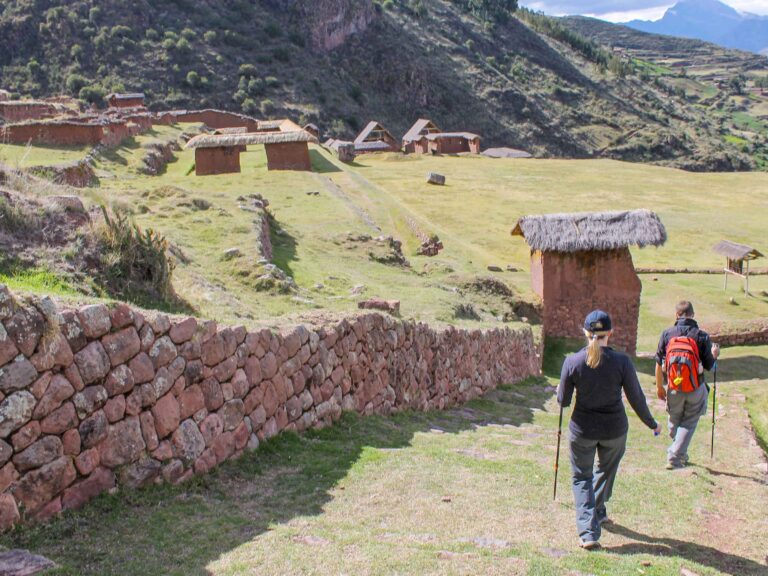
The archaeological site of Pisac is renowned for its agricultural terraces, which are an engineering marvel. These terraces were built by the Incas to maximize agricultural production and prevent soil erosion. As you explore the site, you’ll see the remnants of temples, ceremonial baths, and residential areas. The intricate stonework and precision of construction reflect the advanced engineering skills of the Incas.
The terraces of Pisac were ingeniously designed to adapt to the mountainous terrain of the Sacred Valley. By constructing terraces, the Incas were able to expand arable land and create microclimates suitable for growing a variety of crops. The irrigation systems integrated into the terraces highlight the Incas’ advanced understanding of hydrology and agriculture.
Exploring the Pisac ruins is a journey back in time. Visitors can wander through the remnants of ancient structures, including residential areas, ceremonial platforms, and storage facilities. The site offers panoramic views of the surrounding valley, providing a breathtaking backdrop to this historical exploration.
Preserving the archaeological site of Pisac is a priority for both local authorities and international organizations. Efforts are ongoing to maintain the structural integrity of the ruins and protect them from environmental threats. Sustainable tourism practices are encouraged to minimize the impact on this invaluable cultural heritage site.
One of the highlights of visiting Pisac is its market, which is one of the most famous in Peru. The Pisac Market is held in the central plaza and is a vibrant showcase of local culture and craftsmanship.
The market has a rich history that dates back to the Inca times when it served as a trading hub for communities in the region. Today, it continues to be a bustling center of commerce where locals and tourists alike gather to buy and sell goods.
Bartering is a traditional practice at the Pisac Market, reflecting the customs of ancient Andean trade. Visitors can engage in the art of negotiation, a cultural experience that adds to the charm of the market. This practice fosters interaction between buyers and sellers, providing a more personalized shopping experience.
Purchasing goods at the Pisac Market supports the local economy and helps preserve traditional crafts. Artisans offer a wide range of handmade products, including textiles, pottery, and jewelry. By buying directly from the makers, visitors contribute to the sustainability of these crafts and the livelihoods of the artisans.
At the Pisac Market, you’ll find a wide array of products, from handmade textiles and jewelry to fresh produce and traditional foods. The market is a sensory delight, with the vibrant colors of the textiles, the sounds of bargaining, and the aroma of freshly cooked food filling the air. It’s the perfect place to pick up souvenirs or simply soak in the local culture.
Walking through the market is a feast for the senses. The vivid hues of woven fabrics and intricate patterns of traditional garments create a visual spectacle. The market buzzes with the sound of lively conversations and the rhythmic beats of Andean music, enhancing the vibrant atmosphere.
Food stalls in the market offer a taste of traditional Andean cuisine. From freshly baked empanadas to exotic fruits, there is something to satisfy every palate. Sampling local delicacies is a must, as it provides insight into the region’s culinary heritage and the flavors that define the Andean diet.
The Pisac Market is an ideal place to find unique souvenirs. Shoppers can discover handmade crafts that reflect the skill and creativity of local artisans. Whether it’s a handwoven alpaca sweater or a finely crafted piece of silver jewelry, each item tells a story of the region’s rich cultural heritage.
Visiting Pisac can be an unforgettable experience, and a little preparation can help you make the most of your trip.
The best time to visit Pisac is during the dry season, which runs from May to October. The weather is pleasant, and you’ll have clear views of the valley and the archaeological sites.
While the dry season offers the best conditions for exploration, it’s important to be prepared for varying temperatures. The mornings and evenings can be chilly, so packing layers is advisable. Sunscreen and a hat are essential for protection against the high-altitude sun.
Pisac is easily accessible from Cusco by bus or taxi. The journey takes about an hour, and the scenic drive offers breathtaking views of the Sacred Valley.
Travelers have several options for reaching Pisac, including guided tours, rental cars, or public transportation. Each option provides different levels of comfort and flexibility, allowing visitors to choose what best suits their travel style and budget.
When visiting the Pisac Inca site, be prepared for some hiking. The site is spread out over a large area, and the terrain can be steep in places. Wear comfortable shoes, bring water, and take your time exploring the terraces and ruins.
Visitors can choose between joining guided tours or exploring the site independently. Guided tours offer insightful information about the history and significance of the ruins, while self-exploration allows for a more leisurely pace and personal discovery.
While in Pisac, it’s important to be respectful of local customs and traditions. Ask for permission before taking photos of people, and be mindful of any cultural sensitivities.
Engaging with the local community is a rewarding part of visiting Pisac. Learning a few phrases in Quechua, the indigenous language, can enhance interactions and show respect for the local culture. Participating in community events or workshops also provides opportunities for meaningful connections.

Accommodation in Pisac may be difficult to find, only in September when the village fills up with pilgrims heading to the nearby sanctuary of Huanca, home of a small shrine very sacred to local inhabitants. However, there’s an incredible selection of places to stay in Pisac itself.
Alternatively, you can usually rent rooms at low prices from villagers (ask for details at the Restaurant Samana Wasi), or there is a campsite (ask at the Kinsa Cocha Hospedaje for more information).

Commerce bustles around the Iglesia San Pedro Apóstol, an unusually narrow concrete church in Pisac’s central market plaza, dominated by an ancient and massive Pisonay tree. The thriving morning market (Tuesday, Thursday, and Sunday, 8 a.m.–3 p.m.) is held in Plaza Constitución, the town’s main square, where you can buy hand-painted ceramic beads and pick up the occasional bargain. Even if the market’s not on, several excellent artisanal shops connect the Sacred Valley Road and river bridge with the plaza, particularly along Calle Bolognesi.

Pisac Local People
Another out-of-town sight also allows you the chance to buy local goods. About 23km between Cusco and Pisac, just before the road starts steeply down into the Sacred Valley. The relatively new alpaca center Awana Kancha (daily 9 a.m.–5.30 p.m.; T9740797) offers a rare opportunity to see alpacas and llamas close at hand, traditional weaving in practice and purchase quality alpaca and woolen products.
It takes ninety minutes to climb directly to the citadel (daily 7 a.m.–5.30 p.m.; entry by Cusco Tourist Ticket). Heading up through the agricultural terraces still in use at the back of the Plaza Constitución, the astounding views and ancient ruins on display are more than worth it. Alternatively, you can catch a bus from the end of Calle Mariscal Castilla (the road along the plaza’s eastern edge). Or take a taxi, colectivos, or pick-up (around $3) from the main road, on the corner of Calle Bolognesi and close to the Urubamba bridge; it’s usually possible to share the cost on market days when the town is busier.

hiking-Pisac-ruins-1-day
Set high above a valley floor patchworked with patterned fields and rimmed by centuries of terracing amid giant landslides, the citadel’s stonework (water ducts and steps cut into solid rock) and panoramas are magnificent.
From the saddle on the hill, where much of the best Inca architecture sits, you can see over the Sacred Valley to the north, wide and flat at the base but rising into green and rocky pinnacles towards the heavens. To the south, the valley closes in, but the mountains continue, massive and steep-sided, casting shadows on one another. Below the saddle, a semicircle of buildings is gracefully positioned on a large natural balcony under a row of fine stone terraces representing a partridge’s wing (Pisac meaning “partridge”).
There are a few decent restaurants in Pisac, but they can all get busy on market days. There’s a good shop, Doña Clorinda, at Bolognesi 592 on the corner of the plaza, selling great cakes, and a traditional bakery with an adobe oven on the corner. Addresses aren’t displayed on buildings, but the following restaurants are clustered and relatively easy to find.

Known for its medicinal springs, the first significant village between Pisac and Urubamba is Lamay, just 3km away. High above this village, on the other side of the Río Vilcanota and just out of sight, are the beautiful Inca terraces of Huchiq’osqo. A little further down the road, you come to the larger village of Calca, with the famous thermal baths of Machacanca within ninety minutes’ walk of the modern settlement, signposted from the town and to which combi colectivos (15min; 30¢) run pretty frequently, particularly on Sunday. Situated under the hanging glaciers of Mount Sahuasiray, the Incas favored this place for the fertility of its soil, and you can still see plenty of maize cultivation.
Local festivities and celebrations date back to early Inca times, and they occur around the end of September and the start of October every year. The central ritual theme of the festival is water, and there are strong links to a mythic experience high in the hills, tied to the moving shadows of Mount Pitusiray.

Every year, around the beginning of October, the mountain casts shadows over neighboring peaks and cliffs. Over several days, the shadow of Pitusiray, also considered a solar clock, moves in a dynamic and prominent representation of a prostrate Inca being leaped upon and transformed by a black puma or jaguar; it has to be seen to be believed. With this visual effect on the landscape in mind, scores of young people hold a complementary festival on the first Sunday in October, based at the Inca ruins of Urco, also dedicated to water, located just 2 km above the village of Calca.
The climate improves moving down the valley from here, and you see pears, peaches, and cherries growing in abundance, and in July and August, vast piles of maize sit beside the road, waiting to be used as cattle feed.

Cusco-Pisac-local-tours
Yucay, before you get to Urubamba, the subsequent major settlement had its moment in Peruvian history when, under the Incas, Huayna Capac, father of Huascar and Atahualpa, had his palace here. You can observe the ruined but finely dressed stone walls of another Inca palace (probably the country home of Sayri Tupac, though also associated with an Inca princess) located on Plaza Manco II. If you fancy a hike, you can also follow the stream up behind the town to the village of San Juan.
Pisac is a gem in the Sacred Valley, offering a rich tapestry of history, culture, and natural beauty. Whether you’re marveling at the ancient terraces, exploring the bustling market, or simply enjoying the stunning landscapes, Pisac promises an unforgettable experience. As you plan your visit, remember to embrace the local culture, tread lightly on the land, and take the time to truly connect with this remarkable place. Safe travels!
Understanding the Neurochemistry of Ayahuasca Ayahuasca, a traditional Amazonian brew, has been revered for centuries for its spiritual…
Peru is a land of diverse landscapes and rich cultural heritage, and the Huchuy Qosqo Trek is a…
Peru is a treasure trove of historic sites, with Machu Picchu often stealing the spotlight. However, the lesser-known…
Nestled in the high Andes of Peru, Qeswachaka stands as a testament to ancient Inca engineering and the…
Nestled in the highlands of Peru, Pikillacta stands as a testament to ancient civilizations that predate the Inca…
The Ancascocha Trek: A Remote Andean Route Few Travelers Experience The Ancascocha Trek is an unparalleled adventure for…
Nestled in the breathtaking landscapes of the Sacred Valley, Tambomachay is a hidden treasure that whispers tales of…
Trekking the Ancascocha Trail The Ancascocha Trail is often overshadowed by its more famous neighbor, the Inca Trail.…
Huchuy Qosqo Trek vs. Classic Inca Trail: Which Adventure is Right for You? Introduction Peru’s Sacred Valley has…
Exploring Qenqo Peru: Unraveling the Mysteries of the Ancient Incan Sanctuary Nestled in the breathtaking landscapes of Peru,…
Discover The Cusco Cathedral, Art, and Cultural Significance Nestled in the heart of Cusco, Peru, the Cusco Cathedral…
Multi Day Tours from Cusco: Travel Routes, Ideas & Planning Tips Cusco, the historic capital of the Inca…